20–30 mmHg Often OK: FSA Eligible Compression Socks in the U.S.
If you're hoping to use your FSA for a pair of comfortable compression socks, the good news is that you often can — it mostly comes down to the compression level and a little paperwork. Socks rated 20 to 30 mmHg usually qualify with an itemized receipt, while gentler 10 to 20 mmHg pairs may need a short Letter of Medical Necessity from your doctor. A few minutes of prep before you buy keeps the whole process smooth, and here's exactly what to keep on hand.
TL;DR:
- Compression socks rated 20 to 30 mmHg typically qualify with an itemized receipt, while gentler 10 to 20 mmHg pairs may need a Letter of Medical Necessity.
- Most plans want a medical reason on file to reimburse compression socks — your doctor can advise whether that applies to you.
- Keep a detailed receipt showing the mmHg rating and, if needed, a doctor's letter on office letterhead noting the recommended compression level.
- Choosing socks with an explicit mmHg label and “graduated compression” wording, and avoiding athletic-only branding, helps things go smoothly.
- Wide-calf compression socks, like Movira's soft bamboo options, offer better fit and all-day comfort — which is what actually keeps people wearing them.
Which Compression Levels Qualify for FSA Reimbursement?
Compression socks get sorted into tiers, and the tier decides how much paperwork you need. Pressure is measured in millimeters of mercury, or mmHg, the same unit doctors use for blood pressure.
Here's how the ranges typically break down for reimbursement:
- 10 to 20 mmHg: Gentle, everyday support, often chosen for travel or long days on your feet. FSAFEDS guidance notes this range frequently asks for a Letter of Medical Necessity because it overlaps with everyday comfort wear.
- 20 to 30 mmHg: Moderate compression. This is the range most administrators approve with just a detailed receipt.
- 30 to 40 mmHg: Firmer compression, usually tied to a specific recommendation from your doctor.
- 40+ mmHg: Extra-firm, typically provided through a medical supplier rather than a retail shelf.
A quick reality check: the compression level alone doesn't guarantee approval. What actually helps is a medical reason on file. A healthy traveler buying 20 to 30 mmHg socks for a long flight can fall into a gray area some plans won't reimburse without documentation, even though the same sock would sail through for someone whose doctor has recommended it.
Employer-sponsored FSAs can also set their own rules on top of the baseline IRS framework. Before you buy, a two-minute call to your plan administrator saves you a headache later.
What Documentation Do You Need for a Claim?
Two documents make most compression sock claims easy: the itemized receipt and, when your plan asks for it, the Letter of Medical Necessity. IRS Publication 502 treats compression garments like any other medical expense, so it helps to keep your own records.
Your receipt should show four things:
- The merchant name and date of purchase
- A clear item description that includes the mmHg rating
- The amount paid, separate from any non-eligible items
- Proof of payment, whether that's a card statement or a marked-paid invoice
If your plan requires a Letter of Medical Necessity, it should note the compression level your doctor recommends and how long you'll need the socks. Asking your provider to put it on office letterhead helps it go through smoothly.
Pro Tip: Screenshot the product page showing the mmHg rating before you check out. If your plan ever asks whether the item matches your letter, that screenshot plus your receipt clears it up quickly.
How Do You Shop So Your Socks Actually Qualify?
Reading a compression sock label takes about ten seconds once you know what to look for.
- An explicit mmHg number, like 15 to 20 mmHg or 20 to 30 mmHg.
- The words “graduated compression,” which means the fit is designed to feel comfortable all day.
- No athletic-only branding. WebMD notes that recovery socks for the gym often sit below the threshold most plans reimburse without a letter.
Fit matters just as much as the number on the label. A sock that rolls down by noon or digs into your leg isn't doing its job. This is where wide-calf sizing becomes so important — women with calves that don't fit standard sock bands often end up with a sock that bunches at the top and slips down.
Pro Tip: Measure your calf at its widest point, standing, before you buy. A sock made for a 14 to 16 inch calf will feel very different on a 20-inch calf, even if the mmHg number is the same.
Where Can You Buy FSA-Eligible Compression Socks?
A few channels are built to make this easier: FSA-specific marketplaces like FSAstore that pre-screen inventory, specialty medical suppliers, and retailers that let you pay with your FSA or HSA card directly at checkout, similar to how Comrad describes its process. Whichever you choose, check that the product page lists an mmHg rating and that the receipt itemizes the socks separately.
Wide-Calf Compression Socks and What to Save
Finding a compression sock that fits a wider calf without sliding down or cutting in has been a real gap in the market for a long time. The Movira™ Bamboo Wide Calf Compression Socks are made with super-stretch bamboo fabric that fits calves up to 25 inches, in sizes L through 4XL, at a gentle 15 to 20 mmHg graduated compression.
What tends to matter most to shoppers:
- Soft, breathable, moisture-wicking bamboo fabric for all-day wear
- A fit designed to stay put comfortably, without digging in or rolling down
- A 60-day fit guarantee, so you can exchange if the sizing isn't quite right
Because these fall in the gentle 15 to 20 mmHg range, some plans may ask for a Letter of Medical Necessity, so it's worth checking with your administrator first. Either way, save your itemized receipt and the product page details showing the mmHg rating.
How Does the FSA Reimbursement Process Work?
Filing a claim isn't complicated, but the timeline catches people off guard if they wait too long. Log into your FSA administrator's portal, submit a claim form with your itemized receipt and, if required, your Letter of Medical Necessity. Most administrators process claims within 5 to 10 business days once they have complete documentation. If your FSA card works as a direct-pay card at checkout, you may not need to file a claim at all — just keep the receipt on file. And remember your FSA has a plan-year deadline, so don't wait too long after your purchase.
Do All FSA Plans Treat Compression Socks the Same Way?
The IRS sets the baseline rules, but your specific plan can be a little stricter. Some employers cap reimbursable amounts, others ask for pre-authorization before purchase, and a few only cover compression items your doctor recommends. HSA and HRA accounts generally mirror FSA rules; the main difference is what happens to unused funds at year's end. The practical move is simple: read your plan's Summary Plan Description or call your administrator before a large purchase.
Why Do Some Claims Get Held Up?
Most delays trace back to a few predictable, easily avoidable things: a vague receipt that doesn't show the mmHg rating, a mismatch between your letter and your receipt, athletic “recovery” socks submitted with no medical context, or a missed plan deadline. Mark your plan's deadline the day you make the purchase, and make sure the mmHg number appears on your documentation.
An Honest Take on FSA Compression Sock Rules
The advice you'll find most often online treats FSA eligibility like a simple mmHg lookup table, and that's where it falls short. The number on the label matters, but a medical reason on file is what really drives approval.
What gets underrated is fit. A sock that's technically the right mmHg but rolls down within an hour isn't comfortable or effective, and that's exactly why wide-calf sizing deserves more attention than it usually gets. Our take: sort out any paperwork first, then solve for fit. A sock that actually fits your calf, like Movira's wide-calf options, does more for your day than chasing the highest compression number you can find.
Get Compression Socks That Actually Fit
By now you know the paperwork routine: itemized receipt, mmHg rating, and a Letter of Medical Necessity if your plan asks for one. What most guides skip is the part where the sock itself has to work for your body — and standard sizing leaves a lot of women with wider calves choosing between “too tight to wear all day” and “rolls down by lunch.”
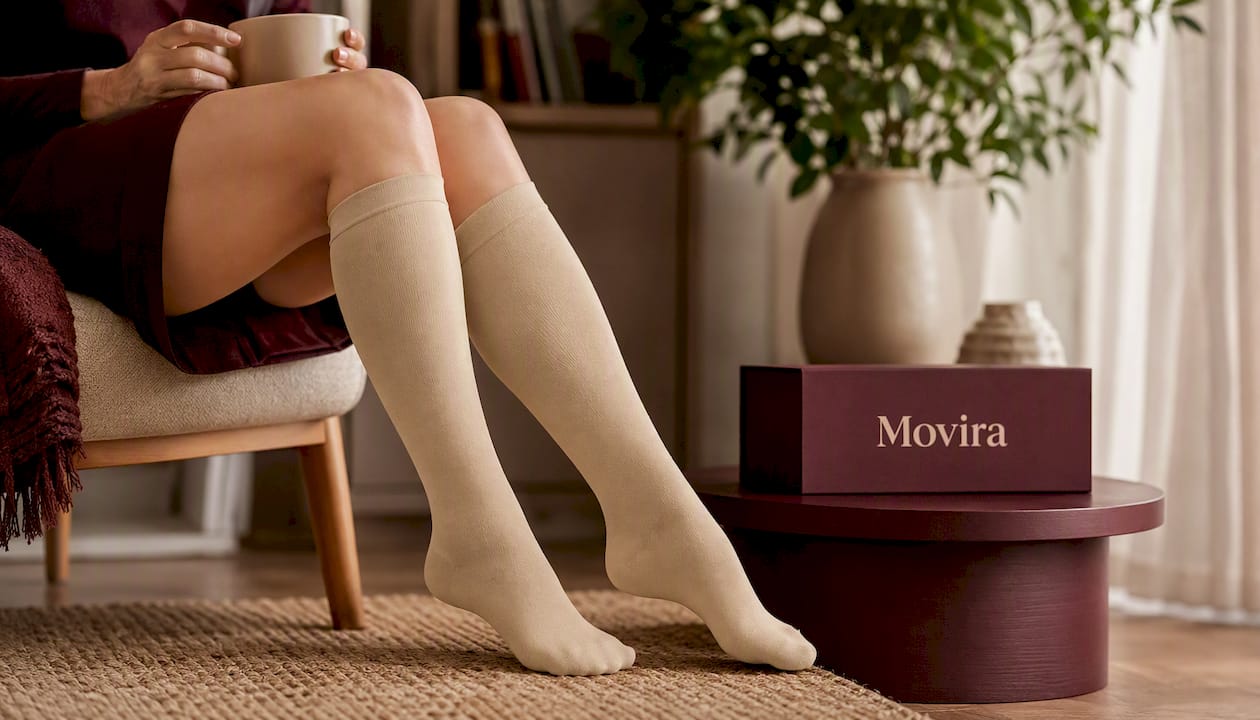
The Movira Bamboo Wide Calf Compression Socks were made specifically for wider calves, with super-stretch bamboo fabric in sizes L to 4XL, gentle 15 to 20 mmHg graduated compression, and a 60-day fit guarantee. As many women share after switching to a wide-calf design, all-day comfort is what makes them actually keep wearing their compression socks instead of giving up after a week.
If your plan requires a Letter of Medical Necessity for this range, ask your provider before you order. Then head to the product page, check the sizing against your calf measurement, and choose the size that matches your leg.
Sources
- Eligible Health Care FSA (HC FSA) Expenses
- IRS Publication 502, Medical and Dental Expenses
- Compression Socks: FSA Eligibility — FSAstore
Recommended
Tags:
Previous
Socks That Fit 25 Inch Calves: Bamboo vs Merino for Hikes and Heat
Next
15–20 mmHg Compression That Fits Wide Calves Up to 25 Inches
Related articles
Plus Size Compression Socks for Women That Fit
Oct 09 2026