Wide Calf Women: Compression Socks or Sleeves for Up to 25 Inches
Full compression socks are usually the better everyday choice if you have wider calves. They cover your foot and ankle, they stay up better when built with real wide-calf sizing, and they skip the layering guesswork that comes with sleeves. Compression sleeves still earn their place for training runs, hot afternoons, or squeezing into ski boots, but for daily comfort and support, socks do more of the job in one piece.
TL;DR:
- Full compression socks are better for daily support, as they manage foot and ankle swelling and provide graduated pressure that encourages blood flow.
- Compression sleeves are mainly suited for athletic activities or footwear that need less coverage, but they do not help with foot or ankle swelling.
- Proper sizing that measures ankle and calf circumference accurately is crucial for effectiveness and comfort, especially for wider calves.
- Research shows compression garments are more effective for recovery from exercise than for improving athletic performance during activity.
- Movira’s wide-calf bamboo socks are designed to fit calves up to 25 inches comfortably, using breathable fabric and soft bands to prevent marks or discomfort.
Table of Contents
- Compression Sleeves vs Socks: The Basic Difference in Coverage
- When Do Compression Socks Make the Most Sense?
- When Are Compression Sleeves the Better Choice?
- Performance During Exercise vs. Recovery: What the Evidence Says
- Getting the Fit Right for Wider Calves
- Ease of Use, Layering, and Keeping Your Socks Working Longer
- Bottom Line: Which Should You Choose?
- Why Movira Designs Wide-Calf Bamboo Socks the Way We Do
- Try Movira’s Bamboo Wide-Calf Socks for Everyday Comfort
- Sources
- FAQ
Compression Sleeves vs Socks: The Basic Difference in Coverage
The split comes down to what each product actually touches. A compression sock covers your toes, foot, ankle, and calf, with pressure engineered to be highest at the ankle and gradually loosen as it climbs. A compression sleeve is a tube of fabric that starts at the ankle or just above it and ends below the knee. There’s no foot involved at all.
That gap in coverage matters more than it sounds. Graduated pressure that starts at the ankle is what helps encourage blood flow back up the leg. Research on graduated compression mechanics shows that ankle-to-calf pressure gradients support venous return more effectively than compression applied to the calf alone, which is exactly the zone sleeves skip. A sleeve can still feel snug and supportive on tired calf muscles, but it isn’t doing anything for the foot or ankle, where a lot of end-of-day swelling and puffiness tends to settle first.
A few other differences worth knowing before you shop:
- Compression profile: socks are built with graduated pressure; many sleeves apply closer to uniform pressure top to bottom.
- mmHg labeling: a “15 to 20 mmHg” tag on a sleeve doesn’t guarantee the same graduated engineering you’d get in a true compression sock, since the number describes peak pressure, not the gradient.
- Footwear interaction: socks replace your regular socks; sleeves go over bare skin or a thin liner sock, under whatever shoe you’re already wearing.
Neither format is “stronger” across the board. They’re built for different jobs, and that’s the whole reason this comparison exists.
When Do Compression Socks Make the Most Sense?
If your day involves standing, sitting for hours, or moving through airports, socks are almost always the more practical pick. Here’s where they pull ahead:
- Everyday wear and evening swelling. Ankles and feet tend to swell by late afternoon, especially after a full day upright. Full socks address that whole zone instead of stopping at the ankle bone.
- Air travel and long drives. The CDC identifies long travel as a risk factor worth managing, and compression is one of the strategies commonly mentioned in that guidance. For hours in an airplane seat or a car, a sock that covers the whole foot and calf is doing more complete work than a sleeve that stops at the ankle.
- Standing jobs and long commutes. Retail shifts, nursing rounds, teaching, or a two-hour train commute all put steady pressure on your lower legs for extended stretches. Socks give continuous, even support the whole time.
- Getting dressed without a second thought. One item, no coordinating a sleeve with a separate sock, no wondering if the two are bunching against each other under your shoe.
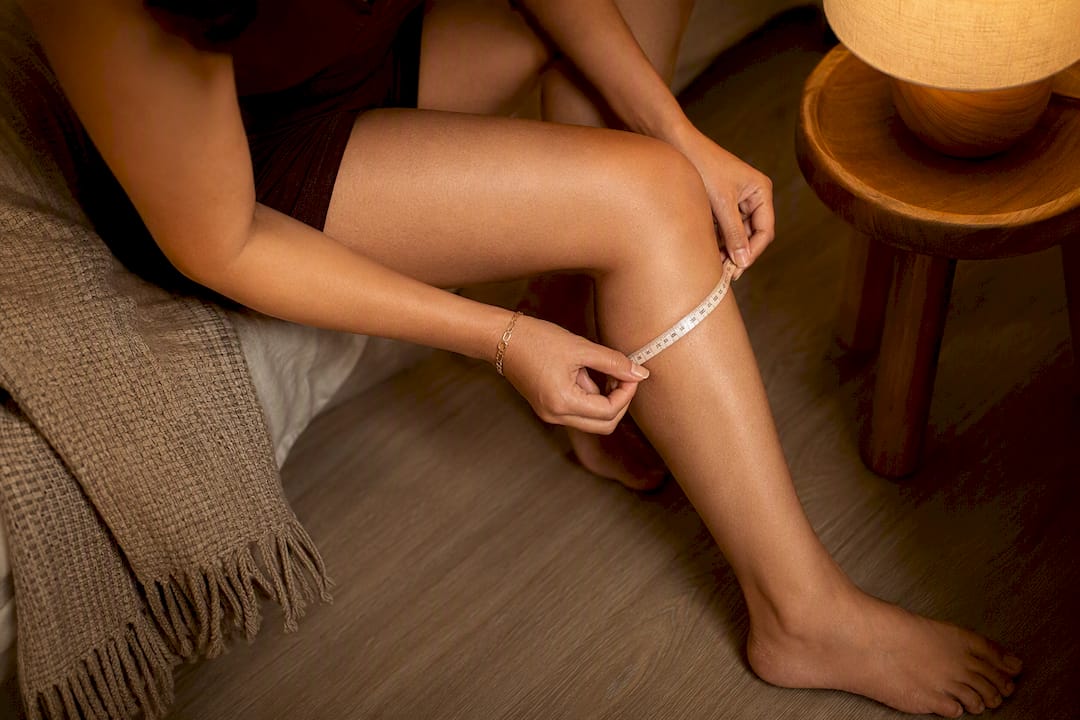
For sizing, measure your ankle at its narrowest point and your calf at its widest point while standing, then check both numbers against the brand’s actual size chart rather than guessing your size from a regular shoe or clothing size. This step matters more than people expect. A sock that’s too tight at the top doesn’t gently hug your calf. It creates a tourniquet effect right at the band, which is uncomfortable and defeats the whole point of graduated compression. A wide-calf design that goes up to a genuine size range avoids that problem entirely, because the fabric isn’t fighting your leg to stay in place.
Pro Tip: Measure your calf circumference in the evening, when swelling is at its highest, so you’re sizing for your leg at its biggest, not its smallest.
When Are Compression Sleeves the Better Choice?
Sleeves have a real, legitimate use case. They’re just a narrower one than most people assume.
- Training and race days. Runners and cyclists often prefer sleeves during activity because they can wear their favorite cushioned athletic socks underneath without doubling up on foot fabric.
- Footwear that doesn’t leave room for a sock change. Ski boots, cycling shoes, and cleats are fitted tightly around the foot. A sleeve that stops above the ankle doesn’t interfere with that fit the way a full compression sock might.
- Hot weather and breathability needs. Less fabric covering less skin means less heat trapped against your leg, which some people find more tolerable on a scorching afternoon walk or run.
- Quick on-and-off convenience during a workout. Sleeves slide on and off faster than a full sock, which matters mid-race or between gym sets.
Here’s the tradeoff, though: sleeves don’t manage foot or ankle swelling, because they simply aren’t there. If your discomfort shows up in your feet and ankles by the end of the day, a sleeve isn’t built to help with that part of your leg at all. That’s the core limitation, and it’s the main reason sleeves work well as an athletic accessory but fall short as an everyday comfort solution for most women with wider calves.
Performance During Exercise vs. Recovery: What the Evidence Says
The science on compression garments and athletic performance is genuinely mixed, and it’s worth being straight about that instead of overselling either format. A 2026 systematic review and meta-analysis in Frontiers in Physiology found inconsistent evidence that compression garments improve race times or athletic output, with results varying depending on the study and the type of activity involved.
Where the evidence gets more consistent is recovery. That same review, along with earlier studies indexed on PubMed, noted more reliable modest reductions in perceived muscle soreness when garments were worn with the right coverage and timing after exercise. A related review found wear durations across studies ranging anywhere from 60 minutes to 72 hours, and that the recovery benefit tends to depend heavily on both of those factors, not just whether someone wore compression at all.
Here’s the practical takeaway for someone choosing between the two formats day to day: sleeves make more sense while you’re actually active, since they’re lighter and pair easily with your regular athletic socks. Full compression socks make more sense for recovery afterward, since the ankle and foot coverage lines up with where post-exercise swelling and stiffness tend to show up. If you’re not training for anything in particular and just want comfortable, supportive legs through a regular day, that same ankle-to-foot coverage is doing useful work every single day, not just after a workout.
Getting the Fit Right for Wider Calves
Fit is where compression garments succeed or fail, and it’s the piece most women get wrong on their first try. Evidence summaries on garment effectiveness are consistent on this point: compression only works as intended when the garment actually fits, which means measuring correctly and buying to the right size chart isn’t optional.
Here’s how to measure yourself accurately at home:
- Ankle: measure the narrowest point just above your ankle bone.
- Calf: measure the widest point of your calf while standing, since sitting can shrink the number slightly.
- Compare both: cross-check your two measurements against the brand’s actual size chart, not a general shoe or clothing size.
- Look for explicit ranges: brands that list clear sizes like L through 4XL, with a stated maximum calf measurement, are telling you upfront whether you’re a genuine fit.
For calves on the wider end, Movira’s wide-calf compression socks are built with that extra stretch baked in, rather than relying on you to size up into a regular sock and hope the top band cooperates. Fabric matters here too. Soft, breathable fabric tends to feel better against skin over a full day than standard nylon or elastane-only fabrics, which makes a real difference if you’re wearing socks from morning until bedtime.
A few design features are worth checking for before you buy:
- A wide, stretchy top band that doesn’t rely on tight elastic to stay put.
- A genuinely graduated compression profile, not just a flat pressure number on the label.
- A seamless toe, especially if you have any sensitivity around the toes by the end of the day.
Pro Tip: If a sock leaves a deep red indent line around your calf after a few hours, that’s the tourniquet effect talking. Size up or look for a design with a wider, softer band instead of tolerating the discomfort.
Ease of Use, Layering, and Keeping Your Socks Working Longer
Compression socks don’t need special tools to put on, though a smoother compression sock donning aid can help if your hands get tired working the fabric up your leg. Most well-designed wide-calf socks with the right stretch go on with just a bit more effort than a regular sock, no gadget required.
A few practical notes for daily use:
- Layering sleeves over socks is sometimes done for extra calf support, but watch for bunching where the two overlap. It can create pressure points instead of smooth, even support.
- Washing in cold water and air drying, rather than tossing them in the dryer, protects the elastic fibers and keeps that graduated stretch working correctly for longer.
- Replacement cadence for quality compression socks is typically every four to six months of regular wear, since stretch fibers lose some tension with repeated washing.
- Price expectations for well-made wide-calf compression socks generally land in the premium range compared to basic drugstore socks, reflecting the extra fabric and reinforced stretch zones needed to support a larger calf without rolling or digging in.
Buying two or three pairs and rotating them, rather than wearing one pair daily, tends to extend the useful life of each pair considerably.
Bottom Line: Which Should You Choose?
For most women with wider calves, full compression socks win for everyday wear. They cover the ankle and foot where swelling tends to show up, they’re built to stay in place without a tourniquet effect when the sizing is right, and they don’t require you to coordinate a second layer underneath. Sleeves stay useful for training days, hot weather, or footwear like ski boots and cleats where a full sock changes the fit.
Run through this quick checklist before you decide:
- Fit: does the brand offer sizes that genuinely accommodate your calf, or are you sizing up and hoping?
- Coverage needed: is your discomfort showing up in your foot and ankle, or mainly in your calf muscle?
- Footwear: are you wearing tight athletic shoes or boots that don’t leave room for a full sock?
- Climate: is breathability more urgent than full coverage on a given day?
- Ease: do you want one item to put on, or are you comfortable managing two layers?
- Budget: are you buying one premium pair or building a rotation of two to three?
For nearly everyone reading this, the honest answer to that checklist points toward socks.
Why Movira Designs Wide-Calf Bamboo Socks the Way We Do
We built Movira around one frustration we kept hearing from women again and again: compression socks that either don’t fit past the ankle or fit the calf but dig in hard enough to leave a mark by lunchtime. That’s why our sizing runs from L to 4XL and stretches to fit calves up to 25 inches, instead of assuming one “wide” size fits every leg that isn’t small.
The fabric choice wasn’t an afterthought either. Bamboo has a soft, breathable feel that holds up through a full day of wear, which is part of why we lean on it across our bamboo sock designs rather than the stiffer synthetic blends common in standard compression socks. Combined with a wider, gentler top band, the goal was simple: support that stays up without turning your calf red by evening, and a look that doesn’t feel clinical or medical. You can see more of the thinking behind that approach on our collection page.
— Movira Team
Try Movira’s Bamboo Wide-Calf Socks for Everyday Comfort
If everything above has you leaning toward full compression socks, the harder part is usually finding a pair that actually fits a wider calf without turning into a fight by mid-morning. That’s the specific problem Movira set out to solve, not just another compression sock in a slightly bigger size.
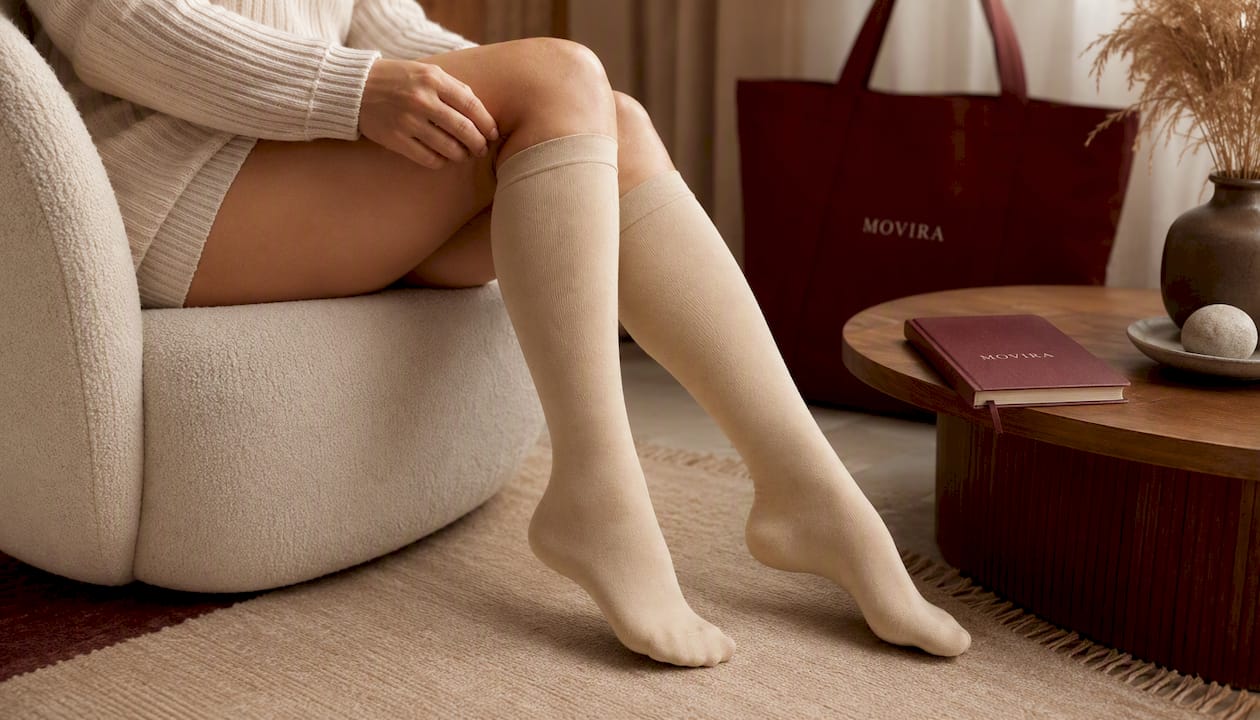
Every pair is cut from soft, breathable bamboo fabric and built in sizes L through 4XL, stretching comfortably to fit calves up to 25 inches without digging in or sliding down your leg by afternoon. If the fit isn’t right when they arrive, our 60-day fit guarantee means you’re not stuck guessing whether to keep them. Browse the Movira bamboo compression socks and see the sizing for yourself, or check the full wide-calf collection to compare styles before you order.
Sources
- Frontiers in Physiology systematic review and meta-analysis (2026)
- CDC guidance on travel-related blood-clot risk factors
FAQ
When Should You Not Wear Compression Sleeves?
Skip sleeves when your discomfort centers on your foot or ankle, since sleeves don’t cover that area at all, and when you need one piece of clothing rather than coordinating a sleeve with separate socks underneath.
Can I Wrap My Leg Instead of Using Compression Socks?
Elastic wraps can apply pressure, but they rarely deliver the consistent, graduated compression that a properly fitted sock provides, and an unevenly wrapped bandage can create uncomfortable pressure points rather than smooth support.
Are Compression Sleeves as Good as Socks for Travel?
Not really. The CDC’s travel guidance points to long periods of sitting as a factor worth managing, and a full sock covers the ankle and foot for the entire flight or drive, which a footless sleeve simply doesn’t do.
How Many Hours a Day Should I Wear Compression Socks?
This varies by person and how your legs feel, but many women wear them through a full workday or travel day and remove them in the evening; if you have any circulatory concerns, check with your doctor about what’s appropriate for you.
Recommended
- Movira Bamboo Wide-Calf Compression Socks | L–4XL
- Personal Story / Comparison
- Tried Every Compression Sock
This article is for general information and fit/comfort guidance only. It is not medical advice. Movira socks are everyday comfort products, not a medical or prescription device.
Tags:
Previous
15–20 mmHg Compression That Fits Wide Calves Up to 25 Inches
Next
Compression Socks and Circulation: What to Know for Wide Calves
Related articles
Plus Size Compression Socks for Women That Fit
Oct 09 2026